Professional Negligence
Claims Solicitors
When a professional — a solicitor, surveyor, financial advisor, accountant, architect, engineer, or insurance broker — gives you negligent advice or fails in their duty of care, you may have a claim for the losses you have suffered.
Professional negligence claims are complex and require expert evidence. We assess each case on its merits — including the nature of the loss, the strength of the evidence, and the prospects of recovery. Every claim starts with a paid initial assessment of your paperwork: £600 + VAT (£720 inc VAT). We take on claims where the loss is at least £25,000.
For claims with losses of £25,000 or more · Paid initial assessment first
Funding options after assessment
How Professional Negligence Claims Are Funded
After the assessment we explain how we can act for you. Depending on what the assessment shows, the options include paying at hourly rates, a conditional fee agreement (no win, no fee) or a damages-based agreement. We cannot promise any one of these before the assessment.
A conditional fee agreement (no win, no fee) or a damages-based agreement is not automatic. We offer one only if the assessment shows your claim has sufficient prospects of success. Even then, you remain responsible for disbursements, such as experts' fees, whether or not the claim succeeds. We explain all of this, and whether insurance is available, before you decide.
Insurance options after assessment
After-the-Event (ATE) Insurance — Protection Against the Other Side's Costs
If, after the assessment, we agree to act under a conditional fee agreement or a damages-based agreement, we will explain whether after-the-event (ATE) insurance is available and what it would cover. This is a specialist insurance policy that protects against one of the biggest risks in litigation: being ordered to pay the other side's legal costs if your claim is unsuccessful.
Covers the other side's costs
If your claim fails, ATE insurance pays the defendant's legal costs — so you face no unexpected bills.
Premium may be deferred
Where ATE insurance is available, the premium may be payable only if your claim succeeds. We explain this before you decide.
Reduces costs risk
Where available, ATE insurance can reduce your exposure to the other side's costs. Disbursements such as experts' fees remain your responsibility.
We arrange it for you
We work with specialist ATE insurers and will advise on the most suitable policy for your case.
In plain terms: ATE insurance, where available, can cover the other side's costs if you lose. It does not cover your own disbursements, such as experts' fees. Call us to find out more.
Specialist Sub-Pages
Types of professional negligence claims
Each type of professional negligence claim has its own legal complexities, evidence requirements, and limitation issues. Select the relevant professional below for detailed guidance specific to your situation.
Solicitor Negligence
Claims where legal advice was wrong, a deadline was missed, a transaction was mishandled, or you received negligent representation in court.
Barrister Negligence
Claims arising from negligent advocacy, incorrect legal advice, or failure to advise on the merits of a case at the Bar.
Surveyor Negligence
Claims where a surveyor failed to identify defects, provided an inaccurate valuation, or gave negligent advice on a property transaction.
Financial Advisor Negligence
Claims where a financial advisor recommended unsuitable investments, failed to explain risks, or gave advice that resulted in financial loss.
Accountant Negligence
Claims where an accountant gave negligent tax advice, failed to file returns correctly, or provided inaccurate accounts resulting in financial loss.
Architect Negligence
Claims where an architect produced defective designs, failed to supervise a build correctly, or gave negligent advice on a construction project.
Engineer Negligence
Claims against structural, civil, or mechanical engineers for negligent calculations, designs, or failure to identify structural issues.
Insurance Broker Negligence
Claims where an insurance broker failed to arrange adequate cover, placed you with an unsuitable insurer, or gave negligent advice on your insurance needs.
The Legal Test
What you need to prove
To succeed in a professional negligence claim, you must establish three things:
Duty of care
The professional owed you a duty of care. This is usually established by the existence of a retainer, engagement letter, or professional relationship.
Breach of duty
The professional fell below the standard of care expected of a competent professional in their field. This is assessed by reference to what a reasonably competent professional would have done in the same circumstances — and is usually established through independent expert evidence.
Causation and loss
The breach of duty caused you a quantifiable financial loss. You must show that but for the professional's negligence, you would not have suffered the loss. The loss must be capable of being valued in money.
Your Journey
How a professional negligence claim works
Initial advice
We carry out a paid initial assessment of the merits of your claim, advise on the likely costs, and explain funding options after assessment.
Expert evidence
We instruct an independent expert in the relevant profession to assess whether the standard of care fell below what was required.
Pre-action protocol
We send a formal letter of claim under the Professional Negligence Pre-Action Protocol, giving the professional an opportunity to respond.
Resolution
Many claims settle at this stage. If not, we issue proceedings and pursue your claim through mediation or court.
Time limits apply — act promptly
The general limitation period for professional negligence claims is 6 years from the date of the negligent act. If you did not discover the negligence until later, the "date of knowledge" rules may extend this — but only to a maximum of 15 years from the negligent act. Seek advice promptly if you think you have a claim.
Your Professional Negligence Solicitor
Speak to Alex Bailey
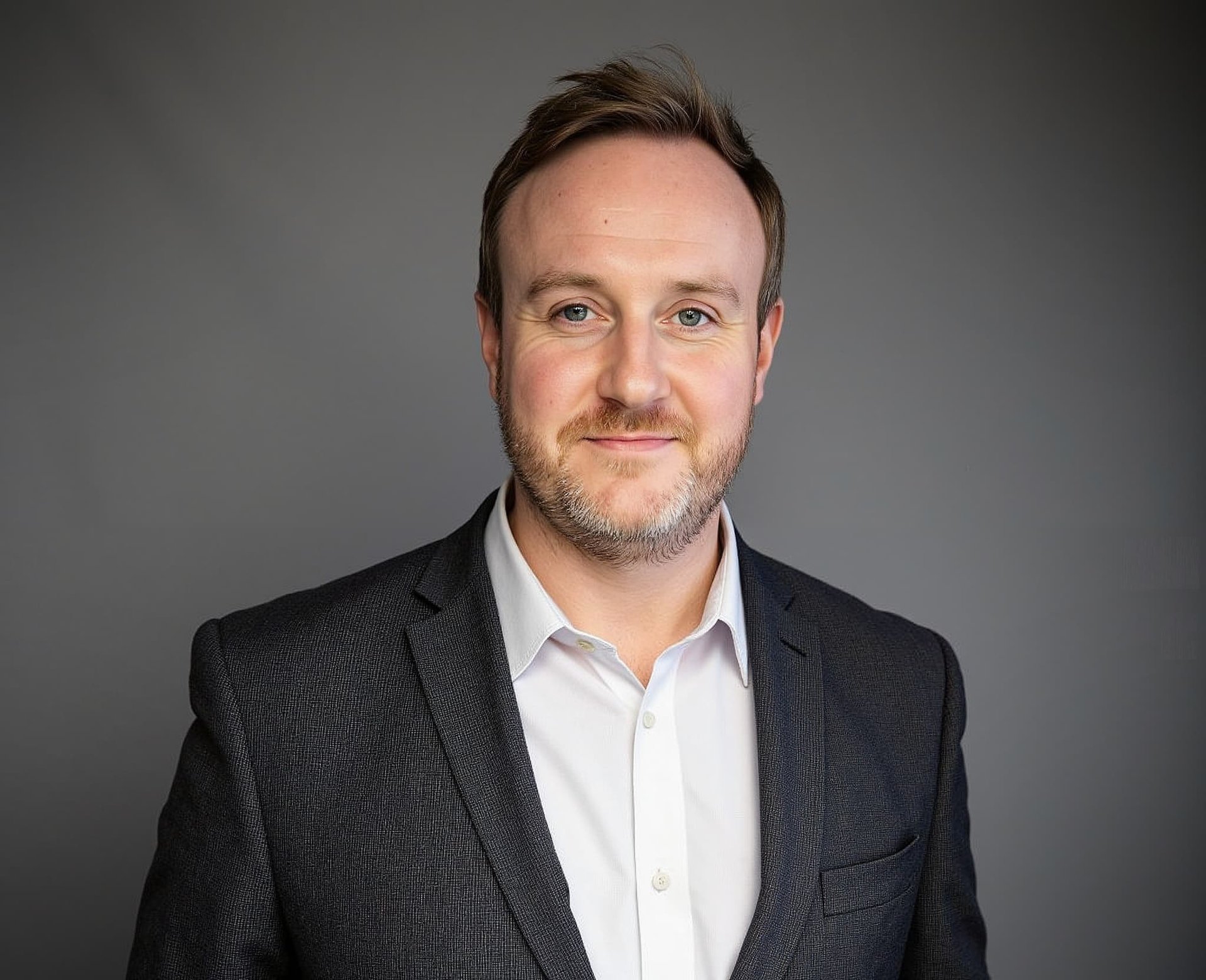
Alex Bailey
Solicitor — Commercial Litigation & Dispute Resolution
Alex qualified as a solicitor in 2007 and has extensive experience advising clients on professional negligence claims across England and Wales. He advises on claims against solicitors, surveyors, financial advisors, accountants, architects, and insurance brokers — providing an honest assessment of the merits and likely costs before you commit to a claim. Funding options after assessment are explained in each case.
Start Your Claim
Tell us about your claim
Complete the short form below and Alex Bailey will review your details and contact you to discuss your claim — with no obligation.
Professional Negligence Intake
Reviewed personally by Alex Bailey, Solicitor — Commercial Litigation & Dispute Resolution. All enquiries are treated in strict confidence.
Frequently Asked Questions
Common questions about professional negligence claims
What is professional negligence?
What is the minimum value of claim worth pursuing?
Do you offer no win no fee for professional negligence claims?
What is after-the-event (ATE) insurance and do I need it?
How long do I have to bring a professional negligence claim?
What evidence do I need for a professional negligence claim?
Do you advise clients in North Wales and across England?
What is the Professional Negligence Pre-Action Protocol?
Can I claim against my former solicitor?
Can I make a no win no fee surveyor negligence claim?
What is gross negligence and how does it differ from professional negligence?
Think you have a professional negligence claim?
Speak to Alex Bailey for an honest assessment of your claim — merits, costs, and funding options after assessment.
Paid initial assessment first · Funding options after assessment · Costs explained clearly.
Confidential Enquiry
Request a Callback
Complete the form below and our dispute resolution team will be in touch. No obligation — strictly confidential.