Residential Conveyancing · Declaration of Trust
Part of our wider Residential Conveyancing services
Declaration of Trust Solicitors
A declaration of trust is a legally binding document that records each owner's share of a property — protecting unequal contributions, gifted deposits and agreed arrangements if circumstances change. PDA Law's solicitors draft declarations of trust for clients across England and Wales, as a standalone document or alongside a property purchase.
Whether you are an unmarried couple with unequal deposits, a parent gifting money toward a child's purchase, or co-buyers wanting certainty over your individual shares, we can produce a declaration of trust that is enforceable in court and tailored to your specific arrangements.
No obligation — talk through your options first.
What Is a Declaration of Trust?
When two or more people buy a property together, they can hold it as joint tenants — equal shares, with the right of survivorship — or as tenants in common, with defined shares that can be unequal and can pass independently in a will. A declaration of trust records those defined shares and any conditions attached to them.
Without a declaration of trust, English law makes it very difficult to prove what was informally agreed at the time of purchase. If one owner contributed a larger deposit, paid more of the mortgage, or received a gift from a parent, none of that is automatically recognised unless it is documented in a legally binding deed. A declaration of trust removes that uncertainty before a problem arises.
When Do You Need a Declaration of Trust?
Unequal deposit contributions
One buyer is contributing significantly more than the other — a larger deposit, a lump sum from savings or a previous property sale. A declaration of trust records that contribution and ensures it is returned first on a future sale, before the remaining equity is split between owners.
Parents gifting a deposit
A parent contributing to their child's property purchase may want to protect that gift if the relationship breaks down. A declaration of trust can record the parental contribution as a ring-fenced amount, separate from the buyer's own equity, so it is returned to the family rather than divided on a separation.
Unmarried couples
Unlike married couples, cohabitants have no automatic legal protection over property on separation. The law does not recognise common-law marriage. A declaration of trust records what each party agreed — their respective shares, who funded what, and what happens on a sale — and is enforceable in court if one party disputes it later.
Friends or investors co-buying
Co-buyers who are not in a relationship need clear documentation of their individual shares and an agreed process if one wants to sell and the other does not. A declaration of trust can record ownership percentages, cost-sharing arrangements and a mechanism for resolving disputes without litigation.
Alongside Your Conveyancing
The most cost-effective time to put a declaration of trust in place is at the point of purchase. If PDA Law is also handling your conveyancing, we already hold your identity documents, have your matter open and have completed the client care process. Adding a declaration of trust at this stage is a fraction of the cost of instructing a new solicitor separately after completion.
The document is drafted to align with the title — tenancy in common with defined shares — and is ready for signature on or before completion, so protection is in place from the moment you own the property.
Why Choose PDA Law?
Qualified solicitors draft the document
A declaration of trust is a legal document with real consequences. At PDA Law, it is drafted by a qualified solicitor — not a paralegal or junior member of staff — who understands the property law context and can advise if your circumstances are more complex than a straightforward equity split.
Sean Watts — nearly 30 years of property experience
Our conveyancing and property team is led by Sean Watts, a solicitor with almost three decades of residential property experience. Sean and the team have dealt with virtually every variation of co-ownership arrangement and can advise on the most appropriate way to document yours.
Fixed fee — no hidden extras
We quote a fixed fee before we start. The price you are given is the price you pay — there are no hourly rates, no additional charges for correspondence, and no surprises on completion.
403 five-star Google reviews
Our reputation is built on clear advice, prompt communication and completing transactions as agreed. Read our 403 Google reviews.
Frequently Asked Questions
What is a declaration of trust?
A declaration of trust (also called a deed of trust) is a legally binding document that records each owner's beneficial share of a property and any conditions around how contributions are handled on a future sale. It is enforceable in court and removes ambiguity about what was agreed at the time of purchase.
When do I need a declaration of trust?
Whenever two or more people buy a property together with unequal contributions — or where one party's interest needs to be formally distinguished from another's. This includes unmarried couples, parental gifted deposits and co-buyers with defined individual shares.
How much does a declaration of trust cost?
Our fee depends on the complexity of the arrangements. Contact us for a fixed-fee quote. If you are also using PDA Law for the associated conveyancing, we can offer a combined fee — saving you the cost of a separate client onboarding.
Is a declaration of trust legally binding?
Yes. A declaration of trust is a legally binding document enforceable in court. It provides clear evidence of what each party agreed and protects those arrangements if a dispute arises later.
What is the difference between a declaration of trust and a deed of trust?
The two terms are interchangeable — they refer to the same document. Some solicitors use "deed of trust" and others use "declaration of trust". Both achieve the same legal effect.
Related Conveyancing Services
Buying a Property
Solicitor-led purchase conveyancing from offer accepted to completion.
Transfer of Equity Solicitors
Adding or removing someone from a property title — specialist advice required.
No Completion No Fee Conveyancing
If your transaction falls through, you pay no legal fees.
Residential Conveyancing Solicitors
Our full range of residential conveyancing services across England and Wales.
Your Conveyancing Solicitors
Meet Sean & Vikki
Our residential conveyancing team brings almost 50 years of combined experience. Speak directly to the solicitor handling your declaration of trust.

Your Conveyancing Solicitor
Sean Watts
Senior Residential Conveyancing Solicitor
Sean is a Senior Residential Conveyancing Solicitor with almost 30 years' experience. Known for his methodical approach and exceptional attention to detail, he keeps clients well-informed at every stage and handles even the most complex residential property matters with confidence.
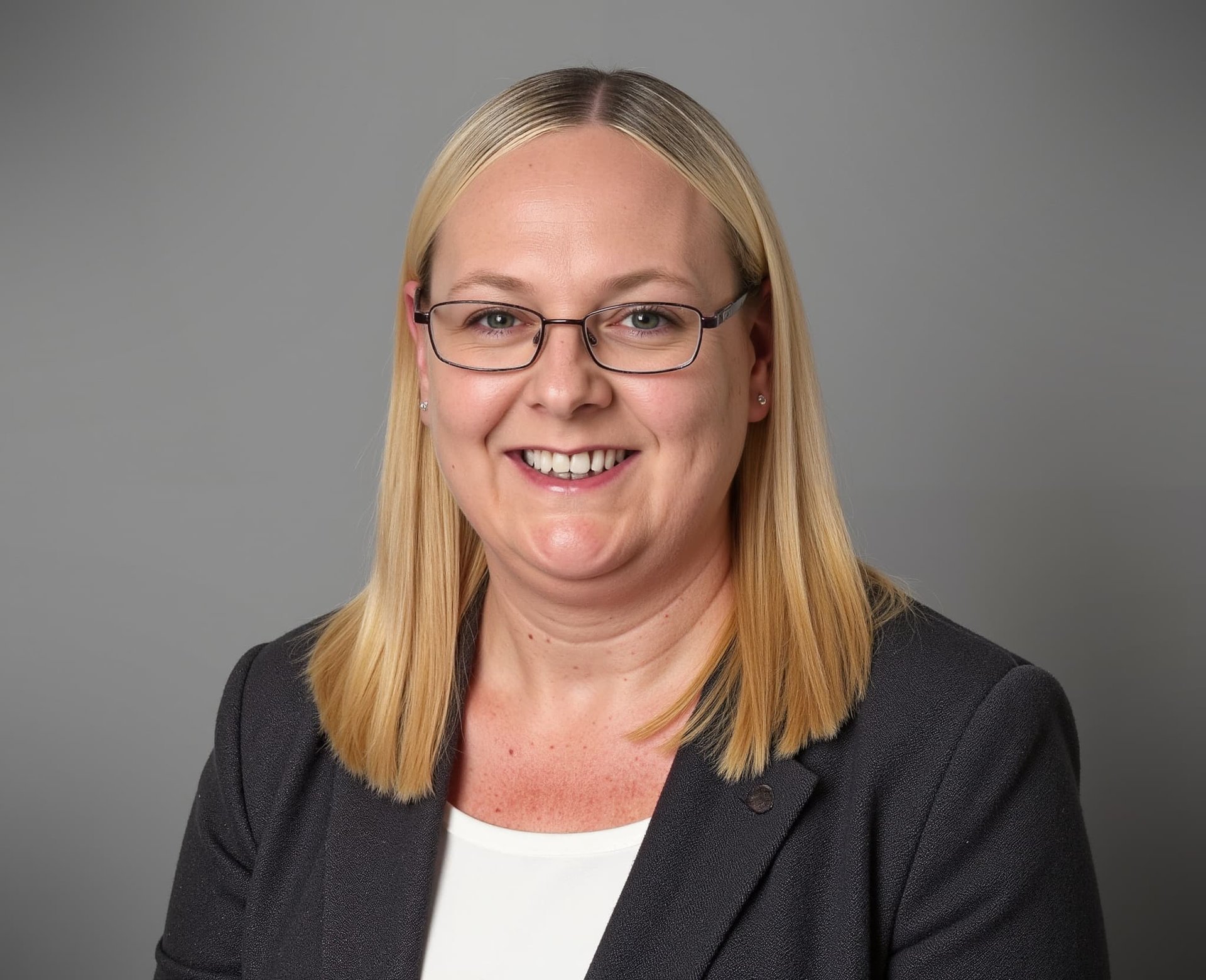
Your Conveyancer
Vikki Rae-Williams
Senior Conveyancing Executive
Vikki is a Senior Conveyancing Executive with 20 years' experience in residential conveyancing, with a particular specialist interest in new build properties. She handles Help to Buy, shared ownership and all aspects of residential conveyancing with deep practical knowledge.
Get in Touch
Request a Call Back
Tell us about your situation and a conveyancing solicitor will call you back — no obligation.
Speak to a conveyancing solicitor today. Clear fees confirmed in writing before any work begins.
No obligation — talk through your options first.