Military Tinnitus
Claims
Ringing, buzzing or hissing in your ears caused by military service? You may be entitled to compensation — even years after discharge.
Jonathan Cloudsdale is highly experienced in military tinnitus and NIHL claims and has handled a number of high-value cases. Speak to him confidentially — no obligation, no upfront cost.
No obligation · No upfront cost · Confidential
No Win, No Fee
Military Injury Claims on a No Win, No Fee Basis
We handle military injury claims under a Conditional Fee Agreement — meaning you pay nothing upfront and nothing if your claim is unsuccessful. If your claim succeeds, a success fee (capped at 25% of your damages) is deducted from your compensation. You will never be out of pocket.
What is Military Tinnitus?
Tinnitus is the perception of sound — ringing, buzzing, hissing, whistling or clicking — in the absence of an external source. In military personnel and veterans, it is most commonly caused by noise-induced damage to the inner ear from weapons fire, explosions, aircraft engines or other loud noise sources encountered during service.
Tinnitus is currently incurable. For many veterans, it is a permanent, daily condition that affects sleep, concentration, communication and quality of life. It is one of the most common service-related conditions in the UK Armed Forces.
Common Symptoms
- Ringing, buzzing or hissing in one or both ears
- Whistling, clicking or roaring sounds
- Sounds that vary in pitch or volume
- Symptoms worse at night or in quiet environments
- Difficulty sleeping due to tinnitus
- Difficulty concentrating
- Anxiety or distress caused by the sounds
- Symptoms that began or worsened after leaving service
Judicial College Guidelines
Typical Damages for Military Injuries
The figures below are general damages guidelines from the Judicial College Guidelines (18th Edition) — the reference used by courts and insurers across England and Wales to value injury claims. They cover pain, suffering and loss of amenity only.
In military injury cases, the total value of a claim is often substantially higher once special damages are included — past and future care costs, loss of earnings, rehabilitation, specialist equipment and home adaptations. Civil claims against the MOD can result in higher awards than AFCS tariff payments.
Every case is different. Jonathan Cloudsdale will give you a realistic, honest assessment of what your specific claim may be worth — at no cost and with no obligation.
Hearing Loss & Tinnitus (Military)
Total deafness and loss of speech
£144,860 – £185,840
Deafness at an early age preventing or seriously affecting development of normal speech
Total deafness (both ears)
£119,890 – £144,860
Lower end where no speech deficit or tinnitus; higher end where both are present
Total loss of hearing in one ear
£41,370 – £60,160
Towards higher end where associated problems such as tinnitus, dizziness or headaches
Severe tinnitus and noise-induced hearing loss (NIHL)
£39,250 – £60,160
Severe tinnitus combined with significant NIHL
Moderate tinnitus and NIHL, or moderate to severe tinnitus or NIHL alone
£19,680 – £39,250
Moderate tinnitus with moderate NIHL, or either condition at moderate to severe level
Mild tinnitus with some NIHL
£16,640 – £19,680
Mild tinnitus combined with some noise-induced hearing loss
Mild tinnitus alone or mild NIHL alone
Around £15,480
Either condition in isolation at mild level
Slight or occasional tinnitus with slight NIHL
£9,720 – £16,640
Slight or occasional tinnitus with slight noise-induced hearing loss
Slight NIHL without tinnitus or slight tinnitus without NIHL
Up to £9,260
Either condition in isolation at slight level
Acceleration of, or time-limited need for, hearing aids (5 years)
Around £6,610
E.g. period until surgical cure for conductive hearing loss, or acceleration period for sensorineural hearing loss
Acceleration of, or time-limited need for, hearing aids (15 years)
Around £12,820
Longer acceleration period for sensorineural hearing loss
| Injury Type | Guideline Range | Notes |
|---|---|---|
| Total deafness and loss of speech | £144,860 – £185,840 | Deafness at an early age preventing or seriously affecting development of normal speech |
| Total deafness (both ears) | £119,890 – £144,860 | Lower end where no speech deficit or tinnitus; higher end where both are present |
| Total loss of hearing in one ear | £41,370 – £60,160 | Towards higher end where associated problems such as tinnitus, dizziness or headaches |
| Severe tinnitus and noise-induced hearing loss (NIHL) | £39,250 – £60,160 | Severe tinnitus combined with significant NIHL |
| Moderate tinnitus and NIHL, or moderate to severe tinnitus or NIHL alone | £19,680 – £39,250 | Moderate tinnitus with moderate NIHL, or either condition at moderate to severe level |
| Mild tinnitus with some NIHL | £16,640 – £19,680 | Mild tinnitus combined with some noise-induced hearing loss |
| Mild tinnitus alone or mild NIHL alone | Around £15,480 | Either condition in isolation at mild level |
| Slight or occasional tinnitus with slight NIHL | £9,720 – £16,640 | Slight or occasional tinnitus with slight noise-induced hearing loss |
| Slight NIHL without tinnitus or slight tinnitus without NIHL | Up to £9,260 | Either condition in isolation at slight level |
| Acceleration of, or time-limited need for, hearing aids (5 years) | Around £6,610 | E.g. period until surgical cure for conductive hearing loss, or acceleration period for sensorineural hearing loss |
| Acceleration of, or time-limited need for, hearing aids (15 years) | Around £12,820 | Longer acceleration period for sensorineural hearing loss |
These are guidelines only
Compensation figures are general damages guidelines only. Your actual award will depend on the specific facts of your case, the severity of your injury, its impact on your life and employment, and the claim route taken. Civil claims against the MOD can result in higher awards than AFCS tariff payments. Special damages (care costs, loss of earnings, rehabilitation) are calculated separately and can significantly increase the total value of your claim. Speak to Jonathan Cloudsdale for a free, no-obligation assessment of your specific circumstances.
Military Tinnitus Claims
Claiming Compensation for Military Tinnitus
Tinnitus is a recognised head of damage in military noise-induced hearing loss (NIHL) claims. Where tinnitus has been caused or contributed to by noise exposure during service in the UK Armed Forces, affected personnel and veterans may have a valid civil claim against the Ministry of Defence (MOD) for compensation.
The MOD has a legal duty to protect service personnel from excessive noise exposure. Where that duty has been breached — through inadequate hearing protection, insufficient training in its use, or failure to control noise at source — and tinnitus has resulted, a claim may succeed. This applies to personnel and veterans from all branches: Army, Royal Air Force, Royal Navy, Royal Marines and Reserves.
At PDA Law, Jonathan Cloudsdale leads our military claims practice. He is highly experienced in military tinnitus and NIHL claims and has handled a number of high-value cases. He provides clear, realistic advice from the outset — at no cost and with no obligation.
Tinnitus and NIHL — The Combined Claim
Tinnitus and noise-induced hearing loss (NIHL) frequently occur together. Noise damage to the inner ear — specifically to the hair cells of the cochlea — can cause both conditions simultaneously. In many military cases, a claimant will have both measurable hearing loss and tinnitus, and both are claimed together in a single action.
The Judicial College Guidelines (18th Edition) specifically provide for combined tinnitus and NIHL awards. Where both conditions are present, the combined award is higher than for either condition alone. The courts assess the severity of each condition separately and then consider the overall impact on the claimant's daily life, sleep, employment and wellbeing.
It is important to note that tinnitus without any measurable hearing loss is more difficult to pursue as a standalone claim, because establishing a causal link to noise exposure requires audiometric evidence of noise-induced damage. However, tinnitus frequently accompanies some degree of NIHL — even where the hearing loss is slight — and in those cases a combined claim is viable.
What Can Be Claimed for Military Tinnitus?
General Damages
- Pain, suffering and loss of amenity
- Impact on sleep and daily life
- Effect on concentration and communication
- Psychological impact and anxiety
- Loss of enjoyment of activities
Special Damages
- Tinnitus retraining therapy (TRT)
- Tinnitus masking devices
- Private hearing aids (if NIHL also present)
- Hearing aid servicing, batteries and replacement
- Travel expenses for medical appointments
- Loss of earnings (where applicable)
Tinnitus Retraining Therapy (TRT)
Tinnitus retraining therapy (TRT) is a structured programme combining sound therapy and counselling, designed to help people habituate to tinnitus — reducing its perceived intrusiveness and emotional impact. It does not cure tinnitus, which is currently incurable, but can significantly improve quality of life for those with persistent symptoms.
The cost of TRT is routinely claimed as a head of special damage in military tinnitus claims. Where tinnitus is present and TRT is recommended by a medical expert, the cost of a course of treatment — and any ongoing maintenance sessions — can be recovered as part of the claim. Tinnitus masking devices, which generate background sound to reduce the perceived loudness of tinnitus (particularly helpful at night), can also be claimed.
Noise Sources in Military Service
Army
- Weapons fire and small arms
- Artillery and mortar fire
- Armoured fighting vehicles
- Explosions and blast exposure
- Training exercises and ranges
Royal Air Force
- Jet engine and propeller noise
- Ground crew and maintenance
- Aircraft weapons systems
- Airfield and flight line operations
- Helicopter operations
Royal Navy
- Engine rooms and machinery spaces
- Naval weapons systems
- Shipboard operations
- Submarine service noise
- Flight deck operations
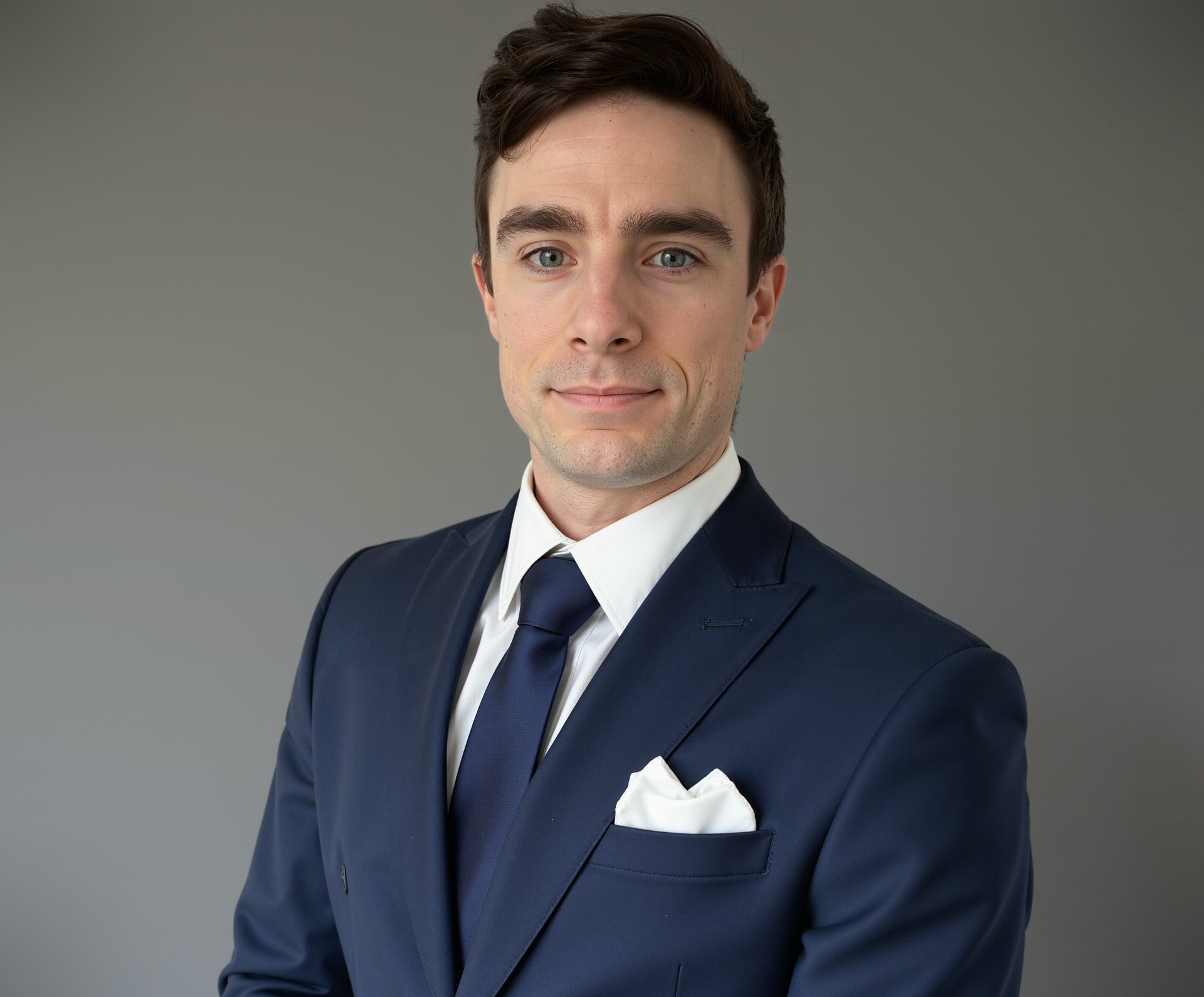
Your Specialist Solicitor
Jonathan Cloudsdale
Head of Military Claims & Personal Injury
Jonathan has over 10 years' specialist experience in complex military claims, personal injury, industrial disease and catastrophic injuries. He has achieved multiple six-figure settlements in high-value cases and provides clear, realistic advice from the outset.
Common Questions
Military Tinnitus Claims — FAQs
Free Confidential Assessment
Speak to Jonathan Cloudsdale
No obligation. No upfront cost. Jonathan will give you a clear, honest assessment of your military tinnitus claim — including whether you have a claim, what it may be worth, and the best route forward.